Having planning permission refused can be frustrating, particularly if you have already invested time and money in drawings, surveys and preparing an application.
However, a refusal does not necessarily mean your development plans have to stop.
Depending on the reasons for the decision, you may be able to challenge the refusal through a planning appeal or make changes to your proposal and submit a revised application.
If your planning permission has been refused, the most important next step is to understand why the council rejected your proposal before deciding whether to appeal or reapply.
An appeal may be appropriate where there is a strong planning case for challenging the decision. A revised application may be more practical where relatively straightforward changes could address the council’s concerns.
At MPD Built Environment Consultants, we help homeowners, developers, landowners and businesses understand planning refusals and assess their options.
This guide explains how to review your refusal notice, compare appealing with reapplying and decide what to do next.
What Should You Do When Planning Permission Is Refused?
When a local planning authority refuses an application, it must explain the reasons for its decision.
These reasons should be set out in the decision notice and will usually refer to relevant planning policies or other material planning considerations.
Before taking further action, we recommend:
- Reading the planning decision notice carefully.
- Obtaining the planning officer’s report.
- Reviewing the drawings and supporting information submitted with the application.
- Identifying whether the refusal reasons could be addressed through changes to the proposal.
- Checking the deadline for submitting a planning appeal.
- Seeking professional planning advice where the reasons for refusal are complex or disputed.
It is important not to rush into submitting another application without understanding the original concerns.
Equally, you should not assume that an appeal is the best option simply because you disagree with the council’s decision.
The strongest route depends on the planning issues involved and the evidence available.
1. Understand Why Your Planning Application Was Refused
The refusal notice is the starting point for deciding how to proceed.
Planning permission may be refused for a wide range of reasons, including:
- Poor design or a development that conflicts with the character of the surrounding area.
- Unacceptable impacts on neighbouring properties, including overlooking or loss of light.
- Highway safety concerns or inadequate access arrangements.
- Conflict with Green Belt or other development plan policies.
- Harm to heritage assets or conservation areas.
- Flood risk, drainage or ecological concerns.
- Insufficient evidence to demonstrate that the proposal is acceptable.
Some objections may be relatively straightforward to address through revised drawings or additional supporting information.
Others may concern fundamental planning policy issues that are more difficult to resolve.
For example, if a house extension has been refused because its size creates an unacceptable impact on a neighbouring property, reducing its scale or changing its design may address the concern.
By contrast, if a development has been refused because the council considers it contrary to a fundamental planning policy, the appropriate response may require a more detailed assessment of the policy and the planning case.
For further information, read our guide to the common reasons why planning permission is refused.
What to check: Identify each refusal reason and determine whether it relates to something that could be changed, a lack of supporting evidence or a disagreement about the planning merits of the proposal.
2. Review the Planning Officer’s Report
The decision notice explains why permission was refused, but the planning officer’s report can provide more detail about how the council reached its decision.
The report may explain:
- Which local and national planning policies were considered.
- How the development was assessed against those policies.
- Whether neighbouring properties were considered to be affected.
- What concerns were raised by consultees.
- Whether the council considered the design, scale or location unacceptable.
- Why the planning balance was considered to weigh against granting permission.
The officer’s report can help distinguish between concerns that might be resolved through amendments and those where there may be grounds to challenge the council’s assessment.
Where a planning committee refused the application contrary to an officer’s recommendation, the committee minutes and recorded reasons for refusal may also be particularly important.
Most councils publish relevant documents through their online planning application registers.
What to check: Compare the refusal notice with the officer’s report, approved or submitted drawings, consultation responses and any relevant committee records.
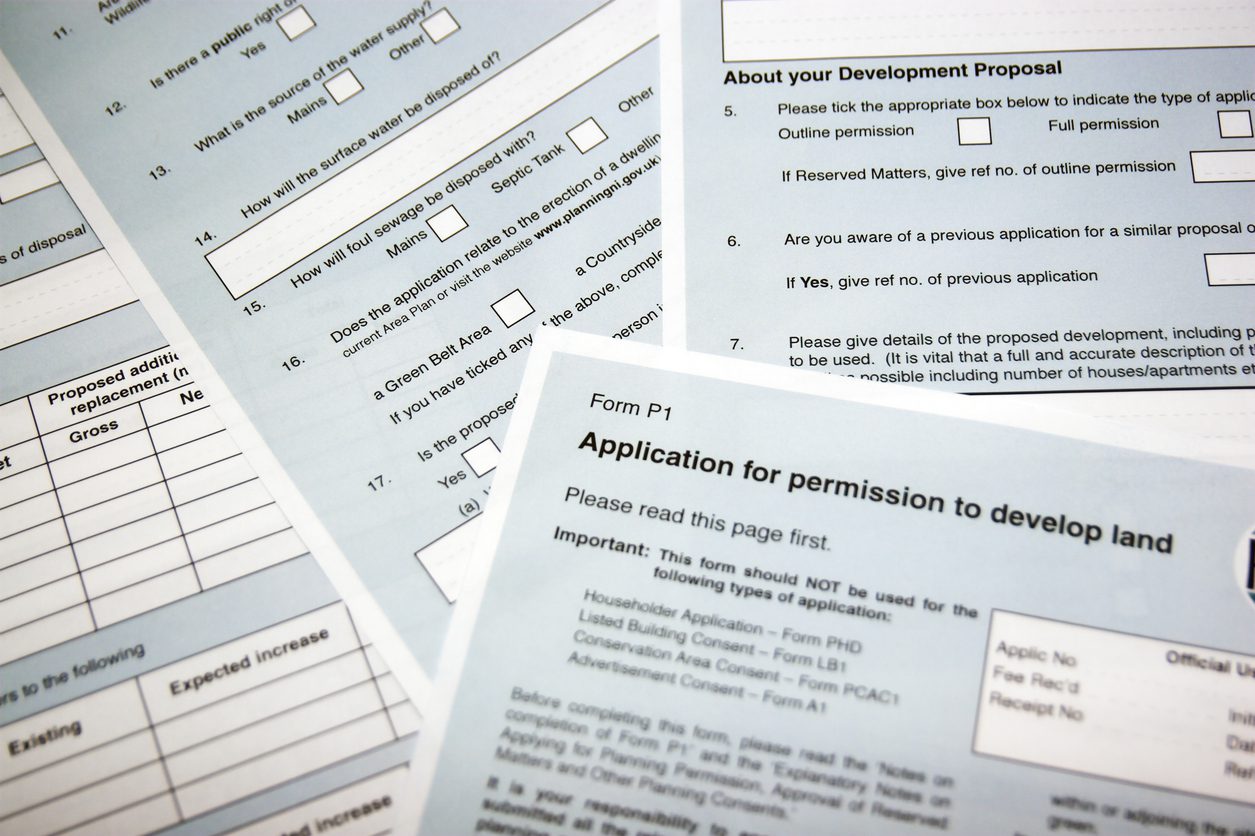
3. When Should You Appeal a Planning Refusal?
A planning appeal allows an applicant to challenge a local planning authority’s decision.
In England, most planning appeals against refusal are determined by the Planning Inspectorate on behalf of the Secretary of State.
An appeal may be worth considering where:
- You believe the council has incorrectly applied relevant planning policies.
- The evidence does not support the stated reasons for refusal.
- The development’s impacts have been overstated or assessed incorrectly.
- Relevant material planning considerations have not been given appropriate weight.
- There are strong planning arguments supporting the proposal as originally submitted.
- Making changes to the scheme would significantly undermine its intended purpose.
For example, a council may refuse a proposal because it considers the development harmful to the character of an area.
If the submitted evidence and surrounding development demonstrate that the proposal would be compatible with its setting, there may be a basis for challenging that conclusion.
However, an appeal is not simply an opportunity to ask a different decision-maker to reconsider the application without a planning case.
You need to explain why the decision should be overturned, supported by relevant policies, evidence and planning arguments.
It is also important to recognise that appeals are generally based on the development originally considered by the council. You should not assume that substantial changes to the scheme can be introduced during an appeal.
For a more detailed explanation of the process, read our guide to appealing a planning permission decision.
When an appeal may be appropriate: Where the original proposal can be robustly defended and the refusal reasons can be challenged through planning evidence and policy arguments.
4. When Is It Better to Reapply for Planning Permission?
Submitting a revised planning application may be the better option where the council’s concerns are reasonable and could be resolved through changes to the development.
For example, a revised application may be worth considering if:
- The proposed building is considered too large or visually dominant.
- Changes to windows, layout or positioning could reduce overlooking.
- Improved access or parking arrangements could address highway concerns.
- Additional surveys or technical evidence could resolve identified shortcomings.
- Design changes could improve compatibility with the surrounding area.
- The council has indicated that a particular amendment could make the scheme more acceptable.
A revised application gives the local planning authority an opportunity to consider an amended proposal.
However, submitting a new application does not guarantee that planning permission will be granted.
It is important to demonstrate how the changes address the original refusal reasons, rather than simply resubmitting the same plans.
In some circumstances, it may be beneficial to discuss the proposed amendments with the council through its pre-application advice service before submitting a fresh application.
The new application may also require updated drawings, supporting documents and an application fee. Any fee exemption or concession should be checked against the rules applicable to the particular application.
Our planning application checklist explains the documents and supporting information that may be needed when preparing a submission.
When reapplying may be appropriate: Where practical amendments or stronger supporting information could address the planning concerns without undermining the overall development.
5. Planning Appeal vs Reapplication: Which Is Better?
The best option depends on the nature of the refusal, the strength of the planning case and the consequences of changing the proposal.
The following comparison can help you understand the main differences.
| Consideration | Planning Appeal | Revised Application |
|---|---|---|
| Purpose | Challenge the council’s refusal. | Seek permission for an amended proposal. |
| Who decides? | Usually the Planning Inspectorate on behalf of the Secretary of State. | The local planning authority. |
| Changes to the design | Generally considered on the original proposal, with limited scope for amendments. | Allows revised plans and supporting information. |
| Best suited to | Disputed refusal reasons supported by a strong planning case. | Concerns that can realistically be resolved through changes. |
| Costs | Usually no appeal submission fee, but professional costs and potential costs awards should be considered. | Application fees and professional costs may apply. |
| Timescale | Depends on the appeal type, procedure and Planning Inspectorate workload. | Depends on the application type, validation, council workload and any agreed extensions. |
| Outcome | The refusal may be upheld or the appeal allowed. | The revised application may be approved or refused. |
Neither route is automatically quicker, cheaper or more likely to succeed.
In some cases, a planning consultant may advise considering both options. However, the implications of pursuing a revised application and an appeal in parallel should be assessed carefully, including consistency of the proposals, deadlines and potential costs.
The most useful question is not simply whether you can appeal, but whether appealing gives you a stronger route forward than addressing the reasons for refusal through a revised scheme.
6. Check the Planning Appeal Deadline Before Making a Decision
Even if you are considering a revised application, it is important to establish the deadline for appealing the original refusal.
Planning appeal deadlines in England depend on the application type and circumstances.
For refusals, common deadlines include:
- Householder planning applications: Normally 12 weeks from the date on the decision notice.
- Minor commercial development applications: Normally 12 weeks from the date on the decision notice.
- Most other planning applications: Normally six months from the date on the decision notice.
- Advertisement consent applications: Generally eight weeks from the relevant decision date.
Different or shorter deadlines can apply in particular circumstances, especially where enforcement action is involved.
These are general rules, not a substitute for checking the deadline applicable to your particular decision.
You should also take care if the application involves listed building consent, prior approval or another specialist consent.
If you miss the relevant deadline, you may lose the opportunity to appeal that decision.
Submitting a revised application does not automatically extend the appeal deadline for the original refusal.
For the current procedural requirements, consult the Planning Inspectorate’s procedural guide and check which guidance applies to your application.
What to check: Record the date on your decision notice, identify the correct appeal category and establish the deadline before deciding on your next steps.
7. Consider Whether Professional Planning Advice Could Improve Your Position
Planning refusals are often more complicated than they first appear.
A reason for refusal may appear to relate to design, parking or neighbour impact, but the underlying issue may involve local planning policy, technical evidence or the way the application was presented.
An independent planning review can help establish:
- Whether the refusal reasons are supported by relevant planning policy.
- Whether there are grounds for challenging the council’s assessment.
- Whether amendments could overcome the identified concerns.
- Whether further technical reports or supporting evidence are needed.
- What costs and timescales may be involved.
- Whether an appeal, revised application or alternative strategy is more appropriate.
Professional advice is particularly valuable where a refusal affects a significant development investment, commercial property, proposed dwelling or site with complex policy constraints.
The objective should be to identify a proportionate and realistic route forward, rather than immediately committing to another application or an appeal without reviewing the evidence.
Planning Appeal Case Study: Overturning a Refusal in Bury
MPD Built Environment Consultants has experience advising clients following planning refusals and preparing appeals.
In one project in Bury, a client had received a refusal from Bury Metropolitan Council for a proposal involving development of their front garden.
The council’s concerns related to the impact of the development on the openness of the Green Belt and its compliance with national and local planning policies.
After reviewing the proposal, MPD concluded that there was a planning case for challenging the refusal.
The appeal arguments focused on whether the proposal constituted inappropriate development, its impact on Green Belt openness, screening provided by an existing hedgerow and improvements to highway access.
Following consideration of the appeal, the planning inspector allowed the appeal.
This case demonstrates why it is important to review the reasoning behind a refusal rather than automatically assuming that the original proposal must be abandoned.
Every application is assessed on its own merits, and a successful appeal in one case does not guarantee the same outcome elsewhere.
Read the full MPD planning appeal case study in Bury.
What Documents Do You Need After Planning Permission Is Refused?
Before seeking advice or deciding how to proceed, it is useful to gather the main documents relating to your application.
These will help a planning consultant assess the refusal and identify potential options.
- ☐ The planning decision notice setting out the reasons for refusal.
- ☐ The planning officer’s report.
- ☐ The original application form and description of development.
- ☐ The submitted site plan, drawings and elevations.
- ☐ Any planning statement, design statement or supporting technical reports.
- ☐ Relevant consultee comments and committee records, where applicable.
- ☐ Any correspondence with the planning officer about potential amendments.
- ☐ The date of the refusal and the applicable appeal deadline.
You can usually obtain many of these documents from the relevant council’s planning application portal.
Where documents are missing, start with the decision notice, officer’s report and submitted drawings.
These will often provide enough information for an initial discussion about the refusal and the next steps.
Frequently Asked Questions
Can you appeal if planning permission is refused?
Yes. In England, an applicant generally has the right to appeal against a planning refusal, provided the appeal is made within the relevant deadline. The strength of an appeal depends on the refusal reasons, applicable planning policies and supporting evidence.
Is it better to appeal or reapply for planning permission?
It depends on why permission was refused. An appeal may be appropriate if there are strong grounds to challenge the decision. Reapplying may be more practical where amendments to the design or additional evidence could resolve the council’s concerns.
How long do I have to appeal a planning refusal?
Householder and minor commercial refusal appeals normally have a 12-week deadline. Most other planning refusal appeals normally have a six-month deadline. Different rules may apply, particularly where enforcement action is involved, so always check the specific deadline.
Can I submit another planning application after a refusal?
Yes, in many cases you can submit a revised planning application. However, the council can decline to determine certain repeat applications in circumstances provided for by planning legislation. A new application should properly address the issues identified in the original refusal.
Does appealing a planning refusal cost money?
There is normally no fee to submit a standard planning appeal, but professional advice, drawings and specialist evidence may involve costs. An award of costs may also be made against a party where unreasonable behaviour has caused unnecessary or wasted expense.
Can I change my plans during a planning appeal?
Planning appeals are generally considered on the basis of the original proposal. Material changes are not normally appropriate during an appeal. If substantial changes are needed, a revised planning application may be the better route.
Can I appeal and submit a new planning application at the same time?
It may be possible to pursue a revised application while an appeal remains under consideration. However, the strategy should be assessed carefully because the proposals, supporting evidence, timing and potential costs need to be managed appropriately.
What happens if my planning appeal is dismissed?
If an appeal is dismissed, the original refusal will normally remain in place. You may still be able to explore an amended application or another lawful planning route, depending on the circumstances.
Planning Permission Refused? Ask MPD to Review Your Decision
A planning refusal does not always mean the end of your project, but deciding how to respond requires an understanding of the reasons behind the decision.
Appealing without a strong planning case can involve unnecessary time and expense. Equally, revising a scheme unnecessarily could mean abandoning a proposal that may have had reasonable grounds for appeal.
MPD Built Environment Consultants can review your planning refusal, assess the relevant policies and supporting documents, and advise whether an appeal or revised application may be the most appropriate route forward.
We advise homeowners, developers, landowners and businesses on planning applications and appeals across England.
Contact MPD Built Environment Consultants to request a planning refusal review.
When contacting us, include your planning application reference, the property address, the decision notice and, where available, the officer’s report and submitted drawings.
If your appeal deadline is approaching, please make this clear in your enquiry.