Finding the right property is one of the most important decisions when establishing a children’s home. A building may appear suitable, offer enough bedrooms and be located in an attractive residential area, but that does not necessarily mean it can lawfully operate as a children’s home.
Before purchasing a property or signing a lease, it’s important to establish whether the proposed use is acceptable in planning terms, whether permission is required and what potential obstacles could affect your plans.
A property that looks suitable for a children’s home may still require planning permission for a change of use. The answer depends on the existing lawful use, how the home will operate and whether the proposal would amount to a material change of use.
At MPD Built Environment Consultants, we advise on planning matters involving children’s homes and Class C2 residential institutions. Early planning advice can help operators and investors understand the risks associated with a potential site before making a significant financial commitment.
Here are seven essential planning checks worth completing before proceeding with a property in England.
1. Check the Property’s Existing Planning Use
The first step is to establish how the property can currently be used lawfully.
Many prospective children’s homes are ordinary residential properties falling within Use Class C3. However, depending on their nature and operation, children’s homes may fall within Class C2 (Residential Institutions).
The distinction matters because operating a children’s home from an existing dwelling may require planning permission.
The planning position is not determined by the number of children alone. Relevant factors can include:
- The number of children living at the property.
- The nature and level of care being provided.
- Whether residents live together as a single household.
- Staffing arrangements and shift patterns.
- The level of activity associated with the proposed use.
Class C3(b) also makes provision for up to six residents living together as a single household where care is provided. Whether a particular children’s home falls within that category requires consideration of the actual arrangements.
Even where the proposed use would fall within a different use class, the question of whether planning permission is needed depends on whether there would be a material change of use.
What to check: Establish the property’s existing lawful use and obtain professional advice on how your proposed operation is likely to be classified.
For a more detailed explanation of the planning rules, read our guide to children’s homes, Class C2 and planning permission.

2. Review the Property’s Planning History
Before committing to a property, investigate its planning history through the relevant local planning authority.
Past applications and decisions can reveal important information about what has previously been approved, refused or restricted.
Look for:
- Previous change-of-use applications.
- Planning permissions and associated conditions.
- Refused applications and the reasons for refusal.
- Planning appeal decisions.
- Enforcement notices or outstanding planning issues.
- Restrictions affecting occupancy or the operation of the premises.
For example, a property may have previously been approved for a particular residential or institutional use, subject to conditions limiting how that use can operate.
Equally, a previous refusal may highlight concerns about parking, residential amenity or local planning policy.
Planning history does not guarantee the outcome of a new proposal, but it can help identify risks before you invest further time or money.
What to check: Search the council’s planning application register using the property address and review relevant decision notices, approved drawings and officer reports. Do not assume an online register contains every historic permission or restriction.
3. Understand the Local Council’s Planning Policies
Planning decisions are not determined by national policy alone.
Local planning authorities also assess proposals against their adopted development plans and other relevant material considerations.
Some councils have policies or guidance relating to specialist accommodation, residential institutions or the concentration of particular uses within an area.
Depending on the location and the proposal, relevant considerations may include:
- Compatibility with surrounding residential uses.
- Local policies concerning specialist accommodation.
- Parking and highway safety.
- The scale and intensity of the proposed operation.
- The suitability of the building and its surroundings.
- Any site-specific constraints or relevant planning designations.
A property that is suitable for a children’s home from an operational perspective may still raise planning concerns.
This is why it is important to assess the planning policy position before making an unconditional property commitment.
What to check: Review the relevant local plan, supplementary planning documents and any council guidance that may affect the proposal.
4. Assess Parking, Access and Vehicle Movements
Parking is a common consideration when assessing proposed children’s homes, particularly where staff work shifts or several vehicles may need to visit the premises.
A property with adequate parking for a typical family household may not necessarily have suitable arrangements for the proposed care operation.
Consider:
- How many staff will be present during each shift.
- Whether staff changes will involve overlapping vehicles.
- Where visitors and professionals may park.
- Whether vehicles can safely enter and leave the site.
- The availability of on-street parking.
- Whether the proposal would materially change traffic movements compared with the existing use.
These matters should be assessed against the actual operating model rather than assumptions about children’s homes generally.
For example, a small home with limited staff changes may have different transport implications from a larger facility with more frequent vehicle movements.
A clear explanation of anticipated staffing and transport arrangements can help a planning authority understand the likely impact of the proposal.
What to check: Prepare an initial assessment of staff numbers, shift changes, parking capacity and anticipated vehicle movements.
5. Consider the Property’s Relationship With Neighbours
Children’s homes can be located within established residential neighbourhoods, but planning authorities may consider whether a proposed operation would materially affect neighbouring properties.
Issues such as noise, vehicle movements and the frequency of activity at a property may be relevant, depending on the circumstances.
Before committing to a site, examine:
- The proximity of neighbouring homes.
- The property’s layout and shared boundaries.
- Access arrangements and outdoor spaces.
- Whether any operational activity may affect neighbouring amenity.
- Whether practical measures could address identifiable concerns.
Importantly, planning decisions must be based on relevant planning considerations and evidence, rather than assumptions about children who may live in the home.
The objective is to demonstrate that the proposed use can operate appropriately within its surroundings.
What to check: Identify any genuine site-specific residential amenity issues and consider how the design or management of the home could address them.
6. Identify What Supporting Information May Be Required
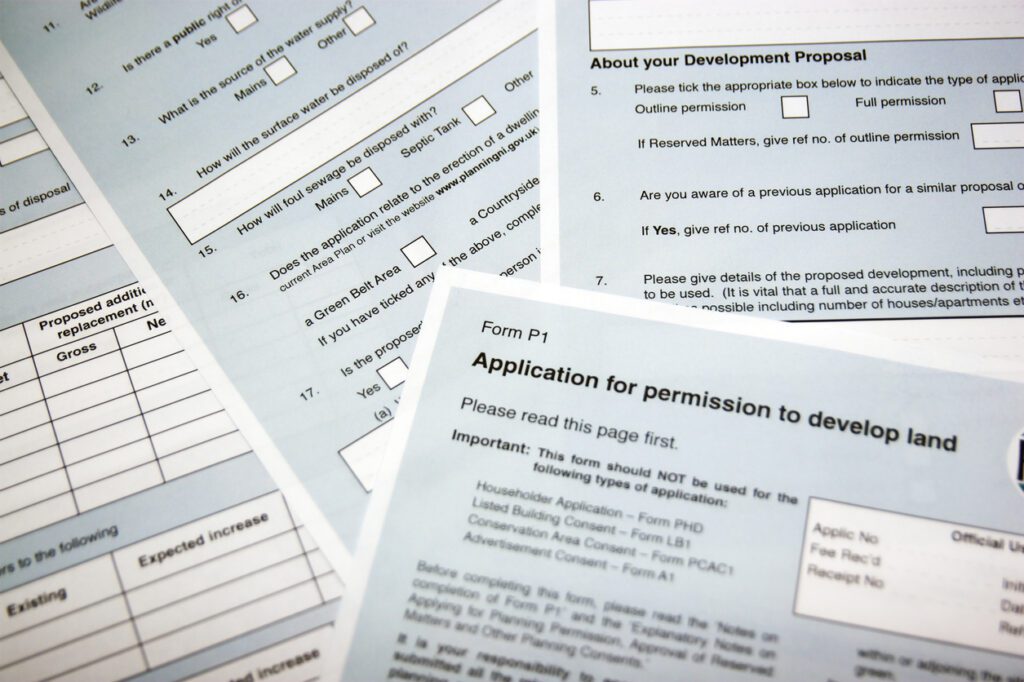
If planning permission is needed, the application may require more than a completed form and a set of drawings.
The supporting information will depend on the property, the local authority’s validation requirements and the nature of the proposal.
Depending on the circumstances, this may include:
- Planning statement: Explaining the proposed use and how it relates to relevant planning policies.
- Operational or management statement: Describing the number of children, staffing arrangements, shift patterns and day-to-day operation.
- Existing and proposed plans: Showing the property’s layout and any physical alterations.
- Parking or transport information: Explaining vehicle movements and parking arrangements.
- Other specialist assessments: Addressing specific issues where necessary and proportionate.
A clear operational statement can be particularly useful for explaining how the home would function and how its planning impacts should be assessed.
Alongside planning requirements, prospective operators should also consider the separate regulatory requirements for opening a children’s home.
In England, Ofsted’s registration process includes evidence relating to the property’s planning position and a location assessment considering the suitability and safety of the proposed setting.
Planning permission and Ofsted registration are separate processes. Securing planning permission does not, by itself, authorise a children’s home to operate.
What to check: Establish what planning evidence is likely to be needed and how planning timescales could affect your wider registration and opening programme.
MPD can assist with the planning process, from early advice and policy assessment to preparing and managing applications where necessary. Learn more about our planning consultancy services.
7. Obtain a Planning Appraisal Before Committing to the Property
One of the biggest risks for a prospective children’s home operator is making a binding property commitment before establishing whether the proposed use is acceptable.
If planning permission is needed, there is no guarantee that it will be granted.
A pre-purchase planning appraisal can help establish:
- The property’s existing lawful planning use.
- Whether the proposed operation is likely to require planning permission.
- Which local and national policies are relevant.
- Whether there are significant site constraints.
- What information may be needed to support an application.
- The potential planning risks and recommended next steps.
Depending on the circumstances, it may also be appropriate to seek pre-application advice from the local planning authority or explore whether a Lawful Development Certificate would provide clarity about the proposed use.
Where possible, prospective buyers or tenants should discuss suitable protections with their solicitor, such as making a transaction conditional on obtaining the necessary planning approvals.
A planning appraisal cannot guarantee approval, but it can help you make a more informed commercial decision.
Our article on feasibility studies and identifying property development risks explains why assessing potential obstacles early can help protect an investment.
What to check: Obtain site-specific planning advice before exchanging contracts, signing an unconditional lease or committing to substantial refurbishment costs.
Children’s Home Property Planning Checklist
Before proceeding with a property, use this checklist to identify the information you have and the issues that still need investigation.
- ☐ Confirm the property’s existing lawful planning use.
- ☐ Review the relevant planning history and any conditions.
- ☐ Check local planning policies and site constraints.
- ☐ Assess parking, access and anticipated vehicle movements.
- ☐ Consider the potential effects on neighbouring properties.
- ☐ Identify likely planning application evidence requirements.
- ☐ Obtain professional planning advice on the proposed use.
If any of these points remain uncertain, resolving them before making a financial commitment could help avoid unnecessary delays and costs.
What Information Should You Send to a Planning Consultant?
If you are considering a property for a children’s home, having some basic information available can make an initial planning review more productive.
Where possible, provide:
- The full property address and postcode.
- A property listing, floor plans or photographs.
- The proposed number of children.
- The proposed staffing arrangements, including shift patterns.
- The number of available parking spaces.
- Any known planning history or previous decisions.
- Your proposed purchase, lease or opening timescales.
You do not need to have every detail finalised before seeking advice. However, the more information available about the proposed operation, the more useful an initial assessment is likely to be.
Frequently Asked Questions
Do you always need planning permission to open a children’s home?
No. Whether planning permission is required depends on the property’s existing lawful use, the proposed operation and whether the change would be material in planning terms. The use-class distinction between C2 and C3 is important, but it does not automatically settle whether permission is required.
Can a normal house be converted into a children’s home?
Potentially, yes. An ordinary dwelling may be suitable for use as a children’s home, but the planning position must be assessed before the proposed operation begins. Planning permission may be necessary, and separate Ofsted registration requirements will also apply.
Does a small children’s home automatically fall within Class C3?
No. Although C3(b) makes provision for certain households receiving care, the classification of a particular children’s home depends on its actual circumstances. The number of children is not the only consideration.
Should I buy a property before applying for planning permission?
There is a risk in committing unconditionally before confirming the planning position. Where permission is required, approval is not guaranteed. A planning appraisal and appropriate legal advice can help you assess the risks and whether conditional contractual arrangements are possible.
Can I check whether a property is suitable before making an offer?
Yes. An initial planning appraisal can identify relevant planning history, policy considerations and potential constraints. It may not provide a definitive answer on every issue, but it can help you decide whether a property merits further investigation.
Get Planning Advice Before You Commit
Choosing a property for a children’s home involves important planning, operational and financial considerations.
Understanding the planning position early can help you identify potential obstacles, avoid unsuitable properties and develop an appropriate route towards securing the necessary approvals.
MPD Built Environment Consultants can review a prospective children’s home property and advise on the relevant planning considerations, including Class C2, change of use, local planning policy and potential application requirements.
If you’re considering purchasing or leasing a property in England, contact MPD Built Environment Consultants to request an initial planning appraisal.
Provide the property address, your proposed occupancy and staffing arrangements, and any relevant plans or planning history so we can understand your proposal.